Financial Statements Explained: A Simple Guide for Business Owners
As a business owner, you’re an expert in your field. But when it comes to finance, the language can feel intimidating. Financial statements don’t have to be a source of confusion. This simple guide will help you understand the three core financial statements—the Income Statement, Balance Sheet, and Cash Flow Statement—so you can make smarter, more confident business decisions.
What Are Financial Statements? Your Business’s Report Card
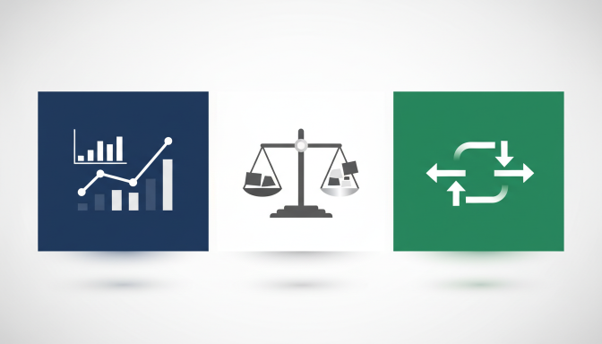
Think of your company’s financial statements as a regular health check-up. They are official reports that provide a clear, standardized picture of your business’s financial health and activities. In essence, they tell you three critical things:
- Financial Performance: Did you make money?
- Financial Position: What do you own and owe?
- Cash Movement: How did your cash move?
Understanding these documents is essential for securing loans, attracting investors, and, most importantly, making informed strategic decisions to grow your business.
1. The Income Statement: Are You Making a Profit?
Often called the Profit and Loss (P&L) statement, the income statement is the most straightforward of the three. Its sole purpose is to show your company’s financial performance over a specific period, such as a month, a quarter, or a year.
It starts with your total revenue (sales) at the top and then subtracts all your costs and expenses, like the cost of goods sold (COGS), salaries, rent, and marketing. The final number at the bottom is your net income or net loss—your “bottom line.” It answers the fundamental question: Is your business profitable?
2. The Balance Sheet: What You Own and What You Owe
While the income statement covers a period of time, the balance sheet is a snapshot of your company’s finances on a single day. It provides a clear picture of your financial position by showing what your business owns and what it owes.
Here’s what each component means:
- Assets: These are all the resources your business owns that have value. This includes cash in the bank, accounts receivable (money owed to you), inventory, and equipment.
- Liabilities: These are what your business owes to others. This includes things like bank loans, accounts payable (bills you need to pay), and credit card debt.
- Equity: This represents the value left over for the owners after all liabilities have been paid off. It’s the owners’ stake in the company.
3. The Cash Flow Statement: Where Did Your Money Go?
Have you ever looked at a profitable P&L statement but wondered why your bank account balance is low? The Cash Flow Statement explains this. It tracks the actual cash moving in and out of your business, showing exactly where your money came from and where it went. This is crucial because profit doesn’t always equal cash.
The Three Cash Flow Categories:
- Operating Activities: Cash generated from your primary business operations, like sales and paying expenses.
- Investing Activities: Cash used to buy or sell long-term assets, such as property or equipment.
- Financing Activities: Cash from investors or banks, or cash paid out to owners or to repay debt.
How They All Work Together to Tell a Complete Story
These three statements are not independent; they are intricately linked and work together to provide a complete, 360-degree view of your business’s financial health. The net income from your Income Statement, for instance, flows into the equity section of your Balance Sheet. The Cash Flow Statement explains the change in the cash balance on your Balance Sheet from one period to the next. When all three are read together, they provide a robust and accurate narrative of your company’s financial story, ensuring you have the full picture to guide your next steps.
Frequently Asked Questions
What is the most important financial statement for a small business?
While all three are important, many small business owners find the Cash Flow Statement to be the most critical for day-to-day management. It shows the actual cash available to run the business, which is vital for survival and growth.
How often should a business prepare financial statements?
At a minimum, you should prepare them annually for tax purposes. However, for effective business management, it’s highly recommended to generate them monthly. This allows you to spot trends, address issues quickly, and make timely decisions.
What’s the difference between an income statement and a cash flow statement?
The income statement shows profitability (revenue minus expenses) using accrual accounting, which records transactions when they occur, not when cash is exchanged. The cash flow statement tracks the actual movement of cash, showing if you have enough money to pay your bills.
Can I create my own financial statements using software?
Yes, accounting software like QuickBooks or Xero can generate these statements. However, they are only as accurate as the data you enter. A professional bookkeeper or accountant ensures the data is correctly categorized and the statements are compliant with accounting standards.
What are ‘notes to financial statements’?
These are supplemental notes included with the main statements that provide additional detail and context. They explain the accounting methods used and break down the numbers in the statements, giving readers a more complete understanding.
Let a Helping Wing Simplify Your Financial Reporting
Reading financial statements is one thing, but preparing them accurately is another challenge entirely. Understanding your business’s finances is the key to unlocking its true potential. At TickBirds, we see you as our business partner, and our goal is to simplify the complexities of accounting so you can focus on growth.
Talk to a TickBirds Expert Today